



Reduce Depression and Systemic Inflammation in 15 Seconds
For decades, the “gold standard” of mindfulness-based stress reduction (MBSR) has required patients to commit to 20 to 45 minutes of daily practice. While effective, attrition rates remain high due to time constraints and the difficulty of sustained focus for patients with acute anxiety or depressive disorders.
Now, a new study published in Scientific Reports and led by researchers at University of California, Davis, suggests that the biological benefits of mindfulness do not require prolonged duration. Instead, they can be achieved through “microdosing”—performing 15-second resets multiple times a day.
The Study: “Microdosing” Without the Drugs
The term “microdosing” typically refers to sub-perceptual doses of psychedelics. However, this study co-opted the term to describe brief, high-frequency cognitive interventions.
The trial (NCT05676008) focused on a cohort of patients suffering from Post-Acute Sequelae of SARS-CoV-2 (Long COVID)—a group characterized by high systemic inflammation, brain fog, and emotional dysregulation. Participants were trained in a specific protocol known as A.W.E. (Attention, Wait, Exhale), which takes approximately 10 to 15 seconds to perform.
Unlike traditional meditation, which asks the subject to observe thoughts, this method forces a rapid physiological state change.
The Mechanism: Vagal Tone and Respiratory Sinus Arrhythmia
The efficacy of the 15-second burst lies in its impact on the autonomic nervous system (ANS).
-
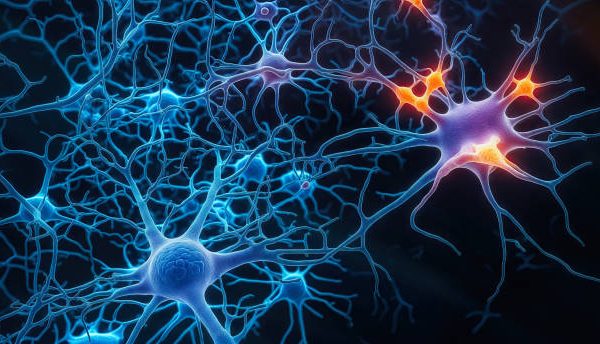
DMN Interruption: The initial step requires the patient to hyper-focus on an external object (visual or auditory). This task-positive focus inhibits the brain’s Default Mode Network (DMN), the neural circuitry responsible for ruminative, self-referential thinking often overactive in depression.
-
Parasympathetic Trigger: The protocol emphasizes an extended exhalation (typically 5 seconds or longer). Physiologically, inhalation inhibits the vagus nerve (increasing heart rate), while exhalation stimulates it (decreasing heart rate). By lengthening the exhale, the patient forces a momentary spike in vagal tone, signaling safety to the limbic system.
-
Cytokine Reduction: Chronic stress keeps the body in a sympathetic “fight or flight” state, which promotes the release of pro-inflammatory cytokines (IL-6, TNF-alpha). By frequently “pulsing” the parasympathetic system throughout the day, patients may effectively lower their baseline inflammatory load more effectively than one single, long session followed by 23 hours of stress.
Clinical Outcomes
The results showed statistically significant improvements across primary mental health metrics. Patients using the microdosing protocol reported:
-
Reduced Depressive Symptoms: Measured via standard clinical inventories, depression scores dropped significantly compared to waitlist controls.
-
Lowered Anxiety: Rapid reduction in acute anxiety spikes.
-
Pain Modulation: Patients reported a higher tolerance for chronic pain, hypothesized to be linked to the dopamine release associated with the “Awe” response.
Why This Matters for Psychology
This research supports a “frequency over duration” model for mental health interventions like depression.
For neurologists and psychiatrists, this provides an evidence-based tool for patients who are “treatment-resistant” to traditional talk therapy or meditation due to cognitive deficits. Patients with ADHD, Traumatic Brain Injury (TBI), or severe Major Depressive Disorder (MDD) often struggle with the “executive load” of traditional meditation.
“Microdosing mindfulness” removes the barrier of entry. It reframes mental health maintenance not as a workout (requiring time and stamina) but as hydration (requiring frequent, small sips). Source